Advertorial · Kitchen Energy · Contains affiliate links
The Fridge Never Sleeps — That's Why the Kitchen Quietly Adds to the Bill
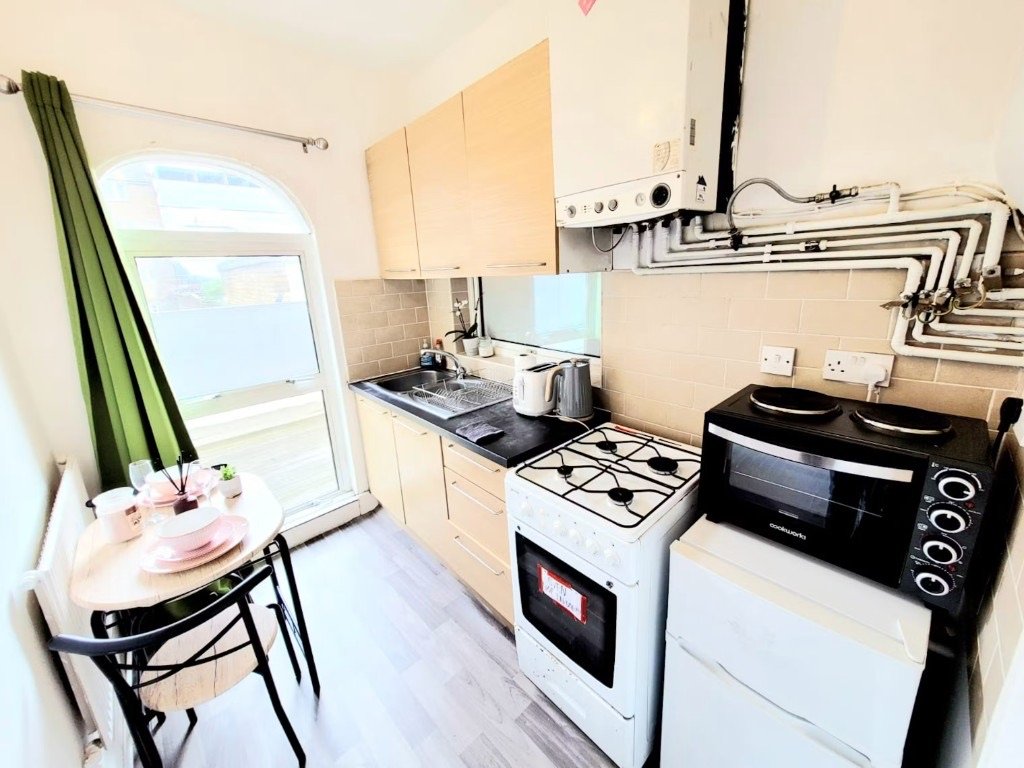
An older fridge, washer or dishwasher uses more electricity or water to do the same job
The A–G label, plus the kWh figure, shows how hungry a replacement is — not just how shiny it looks
Eco programmes, full loads and the right size decide whether that number shows up on the bill
Quick answer
What “energy-efficient” actually means: the appliance is designed to use less electricity, less water, or both, to get the same everyday job done — a cold fridge, clean plates, a load of washing.
What it is not: a smaller heating bill, a heat pump, or a promise that every home saves the same amount. Running costs depend on the old machine, the new rating, your tariff and how you use it.
Most people do not open an energy statement and think “the kitchen”. They think of the boiler, the standing charge, the unit rate that moved again. Fair enough. Heating still dwarfs everything else. But the kitchen is the room that never quite switches off — and it is the room where a replacement, when something dies, can actually change the weekly rhythm of the house.
Tuesday night, a brown envelope, and a fridge that hums
Picture a rented terrace. Two adults, a small table, a fridge that came with the property and has been humming since about 2012. The statement is higher than last quarter. Nobody has installed a heat pump. Nobody is insulating the loft this month. They fill the kettle to the top because that is how you fill a kettle. The dishwasher — if they have one — goes on half-empty after tea because the sink is already full.
That is not a morality tale. It is how a lot of UK kitchens actually run. The bill is a mix of things you cannot touch this week (the standing charge, the price cap) and things you can (how hot the wash is, whether the fridge door sits open while you hunt for butter, whether the next machine you buy is sized for the people who live there).
Energy-efficient kitchen appliances are the boring, useful version of that second list. Less electricity or water for the same meal, the same clean shirts, the same cold milk. The lifestyle win is quieter nights, fewer arguments about who left the cycle on boost, and not standing at the sink until 10pm. The technical win is a letter on a label — if you know how to read it.
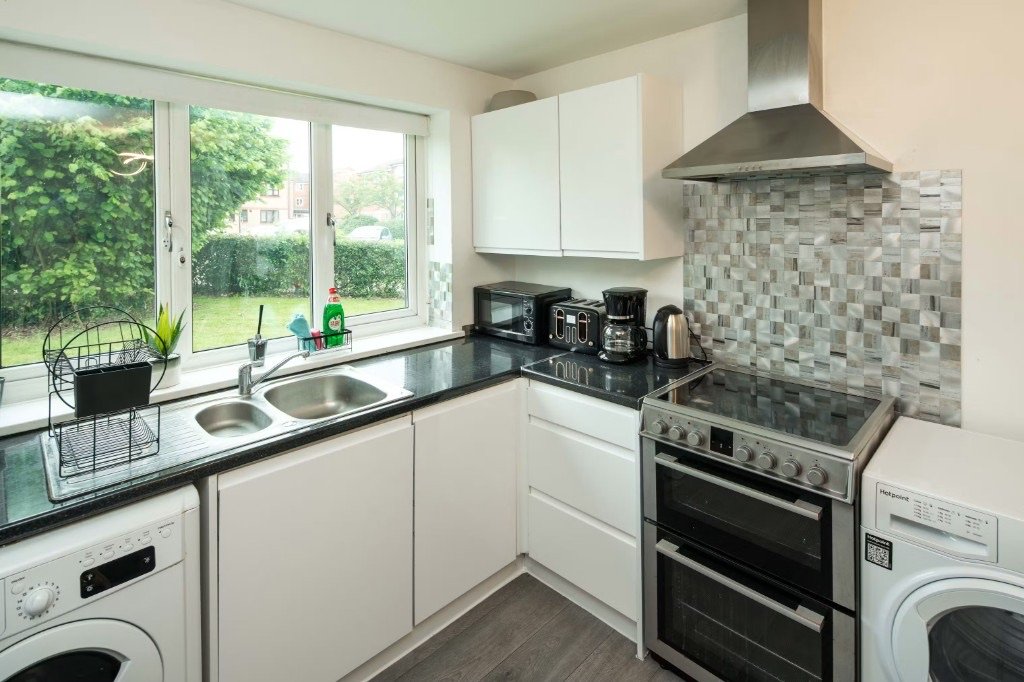
Illustrative kitchen — not a specific model on sale. Wet appliances and the machines that sit under the worktop are where a lot of the electricity and water actually go.
Where the kitchen quietly spends
The Energy Saving Trust groups washing machines, dishwashers and tumble dryers at about 14% of a typical household electricity bill, and fridges and freezers at about 13%. Those are shares of electricity, not of the whole dual-fuel bill — heating is still the giant in the room. They are also averages. A one-person flat with an ancient freezer in the garage will not look like a family of five with a dryer on every night.
The mechanism is simple:
Cold storage never clocks off. A fridge is not a kettle. It is on in January and in July. A tired door seal, a thick collar of ice, or a cabinet far bigger than you need all make the compressor work harder. EST’s published example puts an F-rated 424-litre fridge-freezer at about £80 a year to run in Great Britain. That is their illustration, not a quote for your meter.
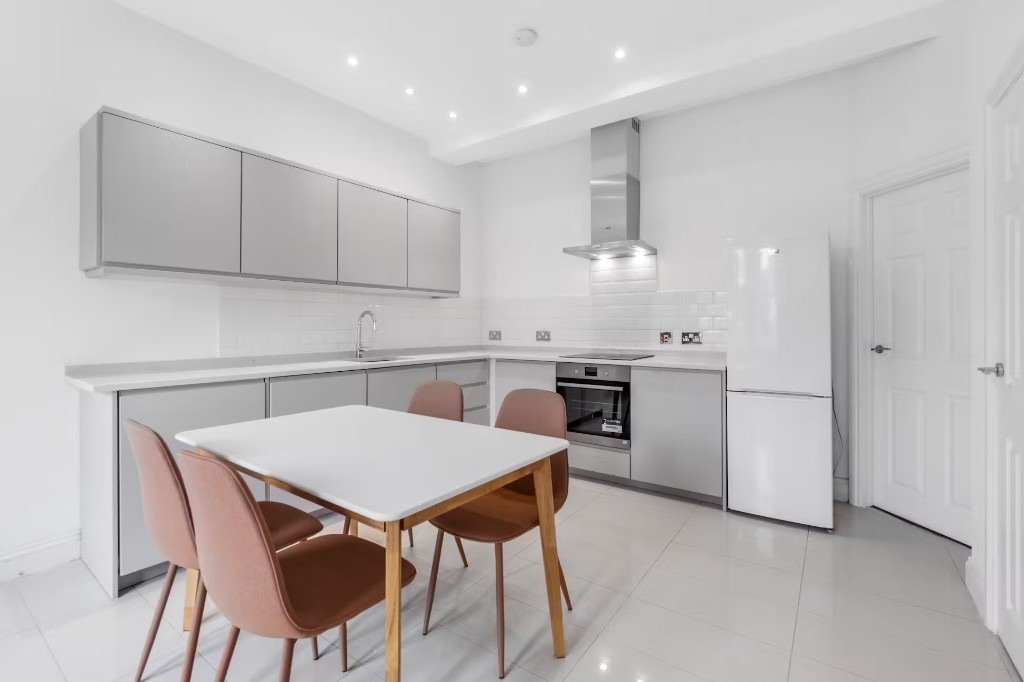
A full-height fridge-freezer is the always-on load. Size the litres to the household, then read the kWh on the label — a bigger “efficient” cabinet can still cost more to run.
Hot water is the expensive bit of laundry and dishes. Heating water (or air, in a dryer) is why wet appliances sit in that 14%. An Eco 40–60 wash that takes longer often uses less electricity than a short, hot cycle. EST says washing at 30°C and doing one fewer load a week can save about £27 a year in Great Britain. Running the dishwasher full, and one fewer cycle a week, is about £11. Small, specific, and tied to habits — not a 30% off the whole bill.
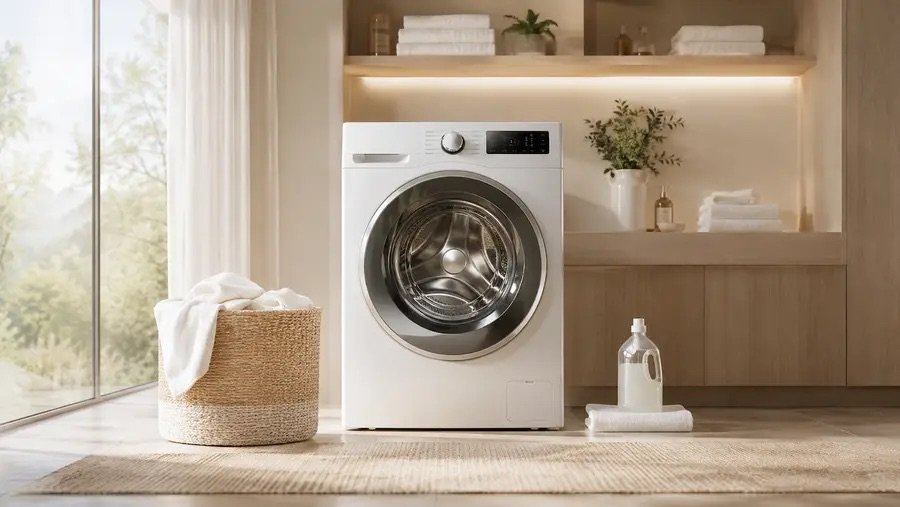
Illustrative washer — not a tested product. The energy label’s kWh figure is usually for the eco programme; a hot, half-empty cycle will not match the sticker.
Standby and the full kettle add up in the margins. EST’s figures: switching devices off standby across the home, about £45 a year in GB; boiling only the water you need, about £10. A coffee machine on a “energy-saving” listing does not magically undo a kettle boiled for one mug.
How to read the label without pretending you sat a physics exam
Since 2021 the UK energy label for these appliances has been A to G again. A is the most efficient on that scale; G the least. The old A+++ stickers were retired because almost everything had collected pluses. A C-rated fridge in 2026 is not a disgrace — on the new scale, C can still be a decent everyday machine. What you want, next to the letter, is the kWh figure (per year, or per 100 cycles). Multiply that by your unit rate and you have a rough running-cost sketch. Lower kWh is the number that actually hits the bill.
EST’s worked dishwasher example: a 12-place A-rated machine costs about £35 a year to run in Great Britain, versus about £70 for a G-rated equivalent — almost double. Those figures assume typical use of the eco programme. Boost, auto and quick-hot cycles cost more. Northern Ireland figures are higher in EST’s tables because the unit rate is different.
One trap: buying a huge A-rated dishwasher for a household of one, then running it half full, can waste more than a smaller, slightly worse letter used full. Size to the people, then read the letter.
We have not independently tested the models on the retailer’s listing. Ratings, prices and pack-outs are set by them and can move. Treat this as a buyer’s guide to the job each appliance does.
Five jobs a kitchen actually needs — not a league table
There is no honest “best five products for a typical UK home” here, because we did not take five boxes apart in a lab. What follows is the jobs people are usually hiring for when they click through to an energy-saving kitchen range.
1 · Always-on cold
Fridge or fridge-freezer
- Typical outlay
- Compact freestanding models often start in the low hundreds. Full-height No Frost cabinets cost more; some listings bundle installation.
- Fit / renters
- Freestanding is usually a plug-in swap, if the landlord lets you move the old one. Integrated needs a cupboard and often a fitter.
- Limit
- A bigger “efficient” cabinet can still use more kWh than a smaller one with a weaker letter. Match litres to the household.
- Likely effect
- You notice it as a quieter, less icy box that is simply on all year. EST: cold storage is about 13% of a typical electricity bill because it never sleeps.
2 · Laundry
Washing machine — or a washer-dryer if you have no line
- Typical outlay
- A 7kg freestanding or integrated washer is the usual UK family size. Washer-dryers cost more to buy and, in real use, more to run than a washer plus air-drying.
- Fit / renters
- Freestanding if the plumbing is there. Integrated plus install is more of an owner job. Check the eco cycle time — longer is often cheaper to run.
- Limit
- The label’s kWh is for the Eco 40–60 programme. Cotton 60°C every other day will not match the sticker.
- Likely effect
- Fewer “I need this dry by morning” panics if you stop using a dryer when the weather allows. EST: one fewer wash a week at 30°C is about £27 a year in GB — a habit figure, not a new-machine guarantee.
3 · Washing up
Full-size dishwasher
- Typical outlay
- 12–14 place settings, freestanding or integrated. Some listings include installation.
- Fit / renters
- Needs a water feed, a drain and a space. Not a Tuesday-night impulse in a rented galley kitchen unless the space already exists.
- Limit
- EST’s £35 vs £70 A/G example is for a 12-place machine on the eco programme in Great Britain. Your tariff and cycle choice move it.
- Likely effect
- Evenings back. A full eco cycle usually uses less water than a sink full of hot taps — EST has long made that point — provided you are not rinsing every plate first under a running tap.
4 · Small space / rental
Tabletop dishwasher
- Typical outlay
- Often the cheapest way into a dishwasher — currently in the low hundreds on energy-saving kitchen listings, with sale prices that move.
- Fit / renters
- Sits on the counter, needs a tap adaptor and a drain into the sink, plus a socket. No cupboard surgery. Ask before you drill anything.
- Limit
- Fewer place settings. You will still run it most nights in a household of two if you cook. Not a 14-place family box.
- Likely effect
- The lifestyle one: you stop occupying the only sink. Energy saving still depends on running it full and using eco, not a mini-boost every evening.
5 · No purchase required
Habits that do not need a new SKU
- Typical outlay
- Nothing, or a cheap door-seal if the fridge is blowing cold into the room.
- Fit / renters
- All of it. Lid on the pan, kettle filled for the mugs you are actually making, 30°C, full loads, off at the socket.
- Limit
- Will not offset a dying compressor. Will not cut the standing charge.
- Likely effect
- EST habit examples above (£10 kettle, £11 dishwasher, £27 laundry, £45 standby in GB) are illustrations for typical use. Stack them only if you actually do them.
A 30-second check — not a bill calculator
This does not estimate pounds. It points you at the job that usually matters first. Savings still vary with your home, tariff, usage and the specific model.
Frequently asked questions
Will a new appliance cut my whole energy bill by 30%?
No, and nobody should tell you that without evidence for your home. Heating still dominates most dual-fuel bills. Kitchen kit trims electricity and sometimes water. EST’s examples are tens of pounds a year for habits and for moving between very different dishwasher ratings — useful, not a silver bullet.
Is a C or D rating a bad buy in 2026?
Not automatically. The A–G scale was reset so that A is demanding. Compare the kWh figure and the size. A C-rated cabinet that fits can beat an A-rated giant you cannot fill. Check the letter on the specific listing; energy-saving ranges still include mixed ratings.
I’m renting. What can I actually do?
Freestanding fridge or washer if the landlord agrees; a tabletop dishwasher if you can use the sink tap; habits regardless. Do not drill cabinets or swap integrated appliances without written consent.
Did you test these products?
No. This is a paid advertorial and a buyer’s guide. We have not independently tested the appliances on the retailer’s listing. Availability, prices and energy ratings are set by the retailer.
The bottom line
You do not need a new boiler to spend a bit less in the kitchen. You need a machine that fits the household, a label you can actually read, and the unglamorous habit of running it full and not hotter than it needs. When something is already on its way out, that is the moment the range is for — not a guilt trip about the climate in the abstract.
Find the right energy-saving products for your home →This is a paid advertorial and contains affiliate links. Diet Made Easy, published by Squarebird Agency Ltd, may earn a commission from purchases made through the links above, at no extra cost to you. We have not independently tested the appliances on the retailer’s listing. Energy labels and running-cost examples refer to standardised eco programmes; real use differs. Savings vary depending on your home, energy tariff, usage, the model you choose and how you install it. Prices, ratings and availability are set by the retailer. See our About & Contact page for more on how we work.